

I used to find Earth Day quite hard to make meaningful at home.
We’d talk about recycling, maybe do a quick activity, and then the day would carry on as normal. It always felt like one of those things that sounds important in theory, but doesn’t quite land with children in a way that sticks. Especially when you’re dealing with different needs, attention spans, and the reality of everyday life, it can easily become just another themed day that comes and goes.
Over time, I realised that children don’t need big explanations about saving the planet. They don’t need long discussions about climate change or sustainability. What they actually need is something simple, clear, and practical. Something they can see, understand, and repeat in their own way.
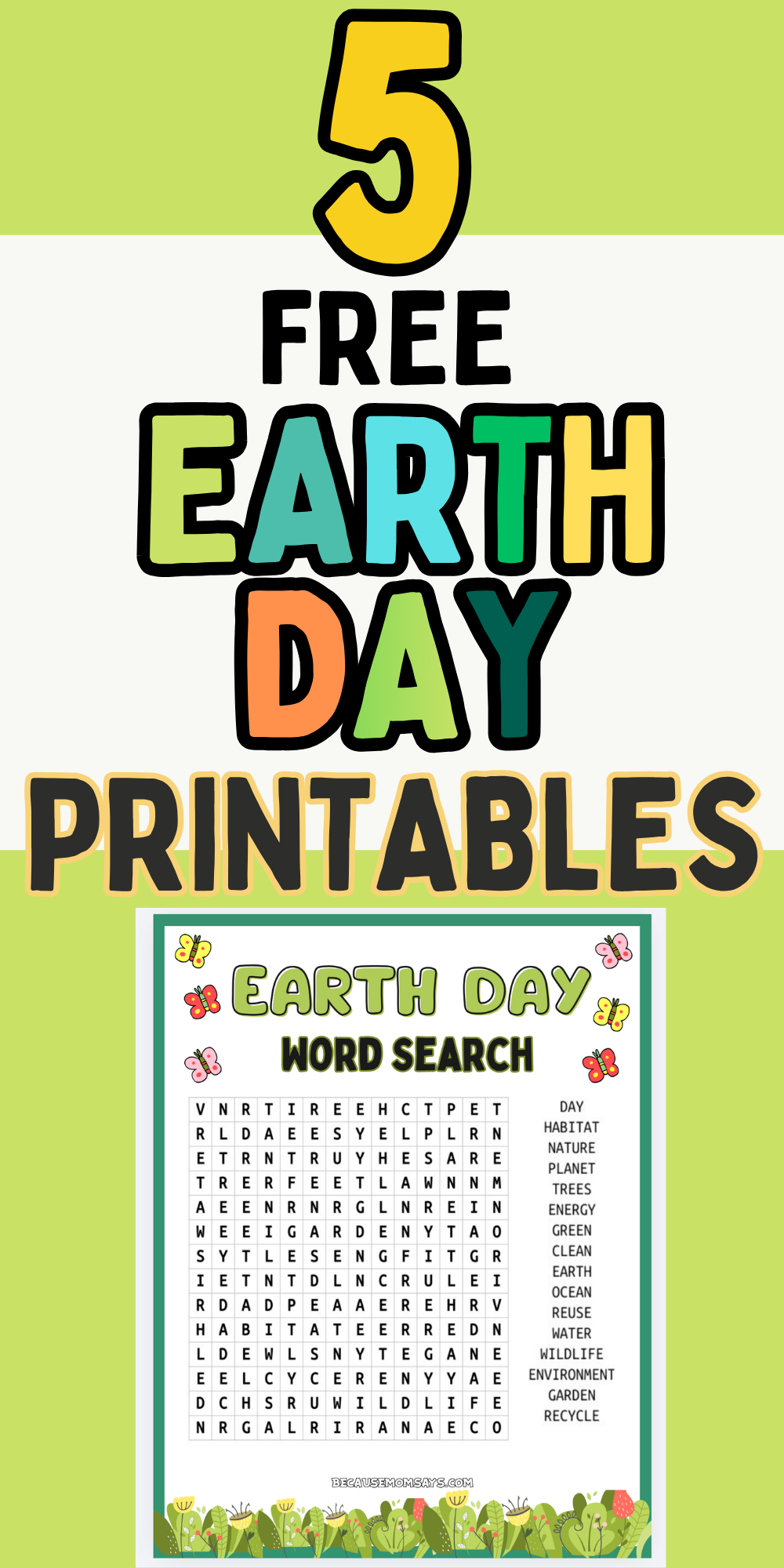
That’s what led me to create these free Earth Day printables. They’re designed to be straightforward, visual, and easy to use, whether you’re at home or in a classroom. No complicated setup, no extra materials, just print and go.
What Is Earth Day and Where Did It Come From?
Earth Day wasn’t always a big global event like it is now.
It started in 1970 in the United States, at a time when there wasn’t much awareness around pollution or environmental damage. A U.S. senator called Gaylord Nelson wanted to bring attention to how human activity was affecting the planet, so he helped organise a national day of action focused on the environment.
Millions of people took part, which led to real changes, including new environmental laws and protections.
Since then, Earth Day has grown into something much bigger. It’s now recognised worldwide, with schools, families, and communities taking part in different ways. The focus is still the same though. It’s about helping people understand how their actions affect the world around them, and what they can do to look after it.
For children, that message doesn’t need to be complicated. It just needs to be clear and connected to their everyday lives.
Earth Day Coloring Pages
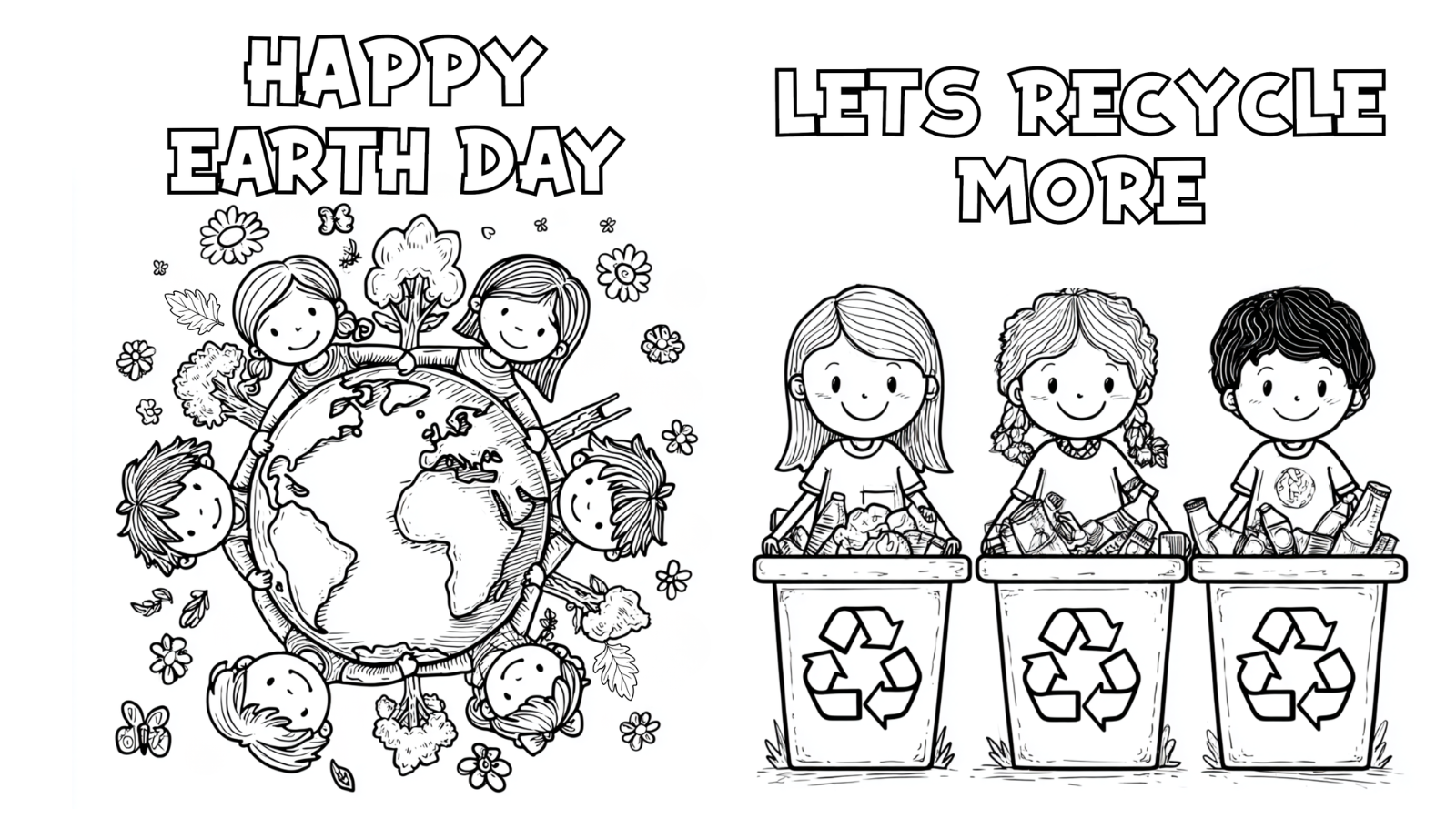
I’ve included two simple coloring pages, and they’re intentionally very straightforward.
One focuses on the globe and nature, which works well for quiet time or children who need something calming and predictable. The other focuses on recycling, which gives you a natural way to introduce the idea visually without needing lots of explanation.
Coloring might seem basic, but it’s often where children engage the most. It gives them time to process what they’re seeing and talking about without any pressure.
Download your free coloring page here
Earth Day I Spy
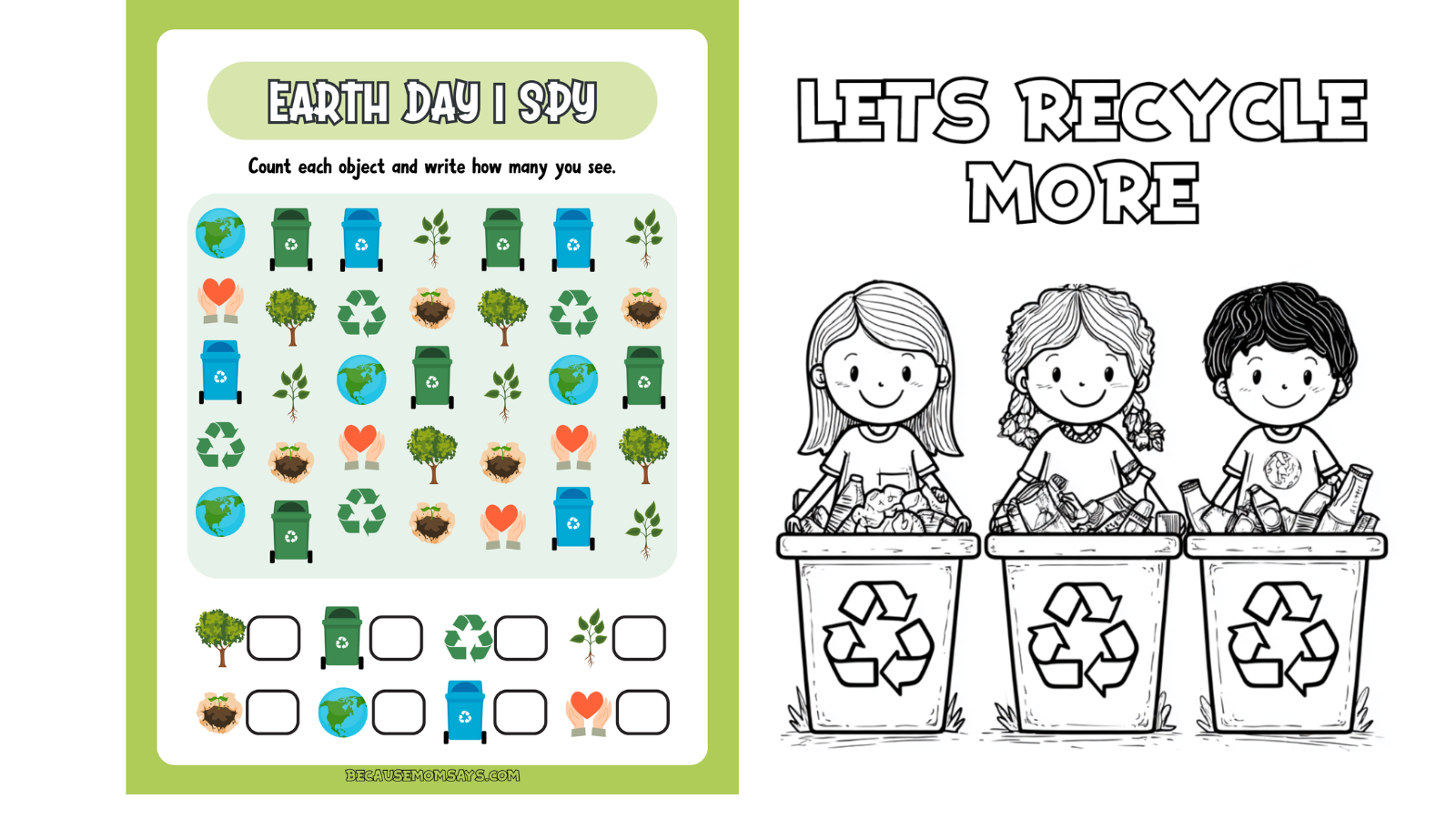
The I Spy free printable is one that tends to work across the board.
Children search and count different objects, which builds attention and visual tracking without it feeling like work. It also brings in a bit of early maths naturally, without needing to sit them down and “teach” it.
It’s the kind of activity you can give them and know they’ll stay with it for a while.
Earth Day Word Search
The Earth Day word search introduces simple Earth Day vocabulary like recycle, water, nature, and environment.
For children who like patterns and repetition, this is usually a favourite. It’s also useful for early readers because it builds familiarity with words without putting them under pressure to read fluently.
It works well as a quiet activity, especially when children need something structured and contained.
Download here
Earth Day Pledge Worksheet
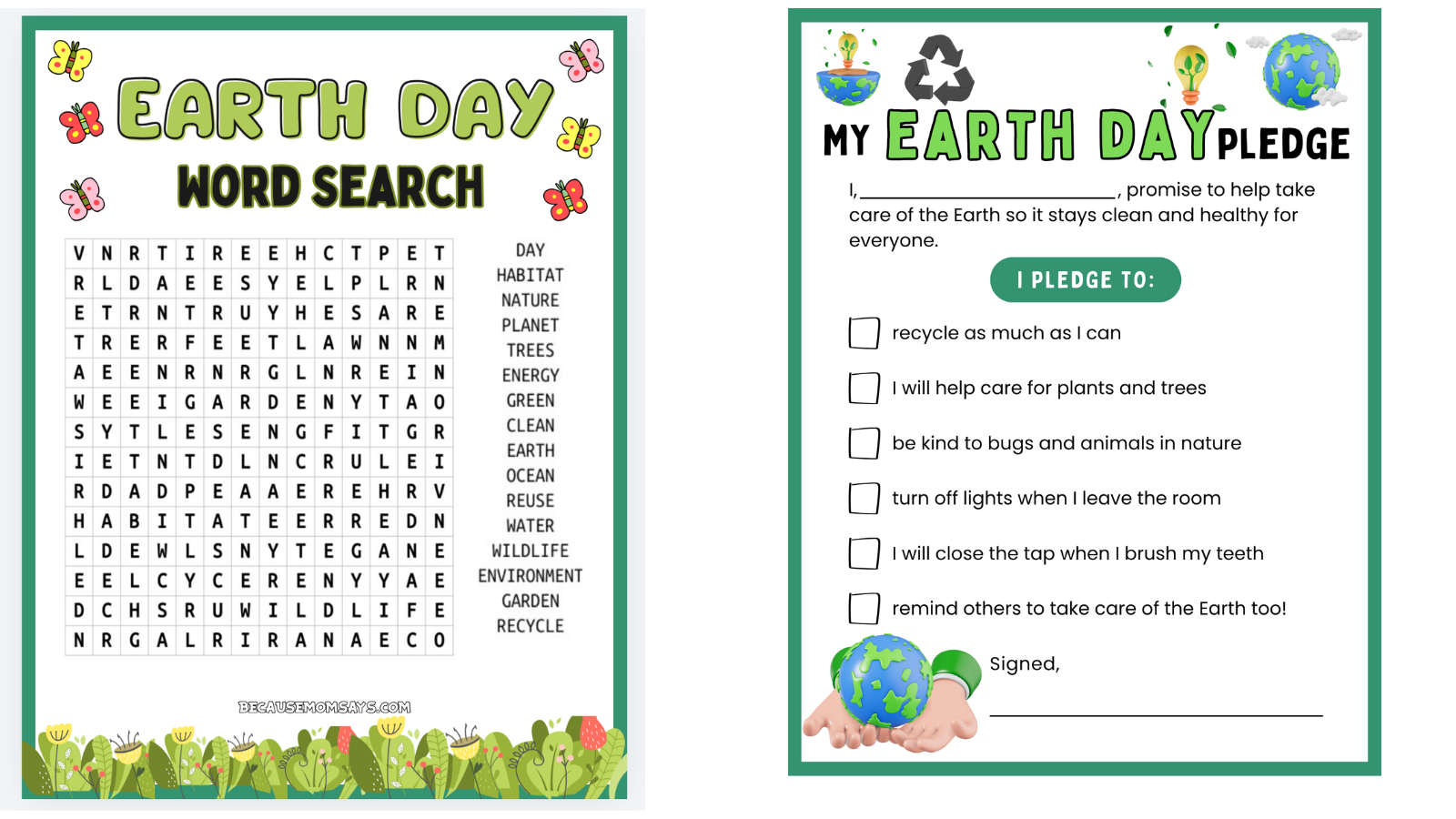
This is the one that tends to have the biggest impact.
Instead of just talking about helping the Earth, children choose something they will actually do. It could be turning off the tap, putting rubbish in the bin, or not wasting food.
It takes a big idea and brings it down to something they can understand and act on. That’s where it starts to feel real for them.
Download Your Free Earth Day Printables
You can access all of the printables below. Just print what you need and use them in a way that works for your child or class.
Why These Activities Work for Different Types of Learners
A lot of children, especially those with additional needs, don’t respond well to open-ended tasks or too much talking. If the instructions aren’t clear, or the task feels too big, they disengage quite quickly.
What I’ve found over the years is that structure makes a huge difference.
These printables work because the expectations are clear from the start. There’s no guessing what to do. They are visual rather than language-heavy, which supports children who find processing language more difficult. The tasks are short and achievable, so children experience success quickly, and that keeps them going.
There’s also a clear beginning and end. That might sound small, but it really matters. When a child knows what “finished” looks like, they’re far more likely to stay engaged.
For children who are neurodivergent, this kind of structure reduces anxiety and increases participation. It removes that uncertainty that often causes resistance.
How to Use These Earth Day Worksheets at Home or School
You don’t need a big plan to make these work. In fact, keeping it simple is usually more effective.
At home, printing one or two sheets at a time is enough. Sitting with your child for a few minutes to get them started can make a big difference. Once they understand the task, most children are happy to continue on their own. The pledge sheet works particularly well if you put it somewhere visible, like on the fridge, so it becomes part of everyday routines rather than a one-off activity.
In a classroom, these can be used as a morning starter, part of a rotation, or a quiet task after a more active lesson. The pledge sheet is useful for linking school and home, because it gives children something practical to take back and talk about with their families.
You can also pair the activities with something real. For example, after the recycling sheet, you might actually sort rubbish together. That connection between paper and real life is what helps it stick.
Making Earth Day Feel Real for Children
Most children won’t connect with big ideas like climate change or sustainability. Those concepts are too abstract, especially for younger children.
But they do understand small, concrete actions.
Turning off the tap.
Putting rubbish in the bin.
Using less paper.
These are things they can see and control.
That’s what these activities focus on. They take something quite big and bring it down to a level children can understand and act on. When a child feels like they can actually do something, they’re far more likely to care.
A Little is Enough
You don’t need to do everything, and you don’t need to do it perfectly.
If your child takes on one small habit and understands why it matters, that’s enough. That’s how these things build over time.
It doesn’t have to be complicated to be meaningful.
Farah Zeb is a mother of five, including two children with special needs. She shares practical parenting tips and resources to help other families navigate daily challenges and create supportive, nurturing environments.